
Rehabilitation for Low mood at Boya Clinic
Boya Hospital in Yuncheng admits children with low mood, apathy, and loss of interest to its pediatric neurological rehabilitation courses. The program works through the daily routine, movement, and body-based Chinese medicine procedures: it does not replace care from a specialist doctor, but it helps the child regain activity and an experience of success. The recommended course is 2–3 months, with payment on site and no prepayment.
What is Depressive Symptoms?
Depressive symptoms in children are persistently low mood, apathy, loss of interest in what used to bring joy, and emotional withdrawal. In children they rarely look the way they do in adults: more often it is not sadness but listlessness, irritability, refusing to play, and worsening sleep and appetite. This is not laziness, not being spoiled, and not the parents' fault. It is especially common where a child has spent a long time in a situation of not being understood — when speaking is hard, explaining what you need is hard, and almost every day ends in failure.
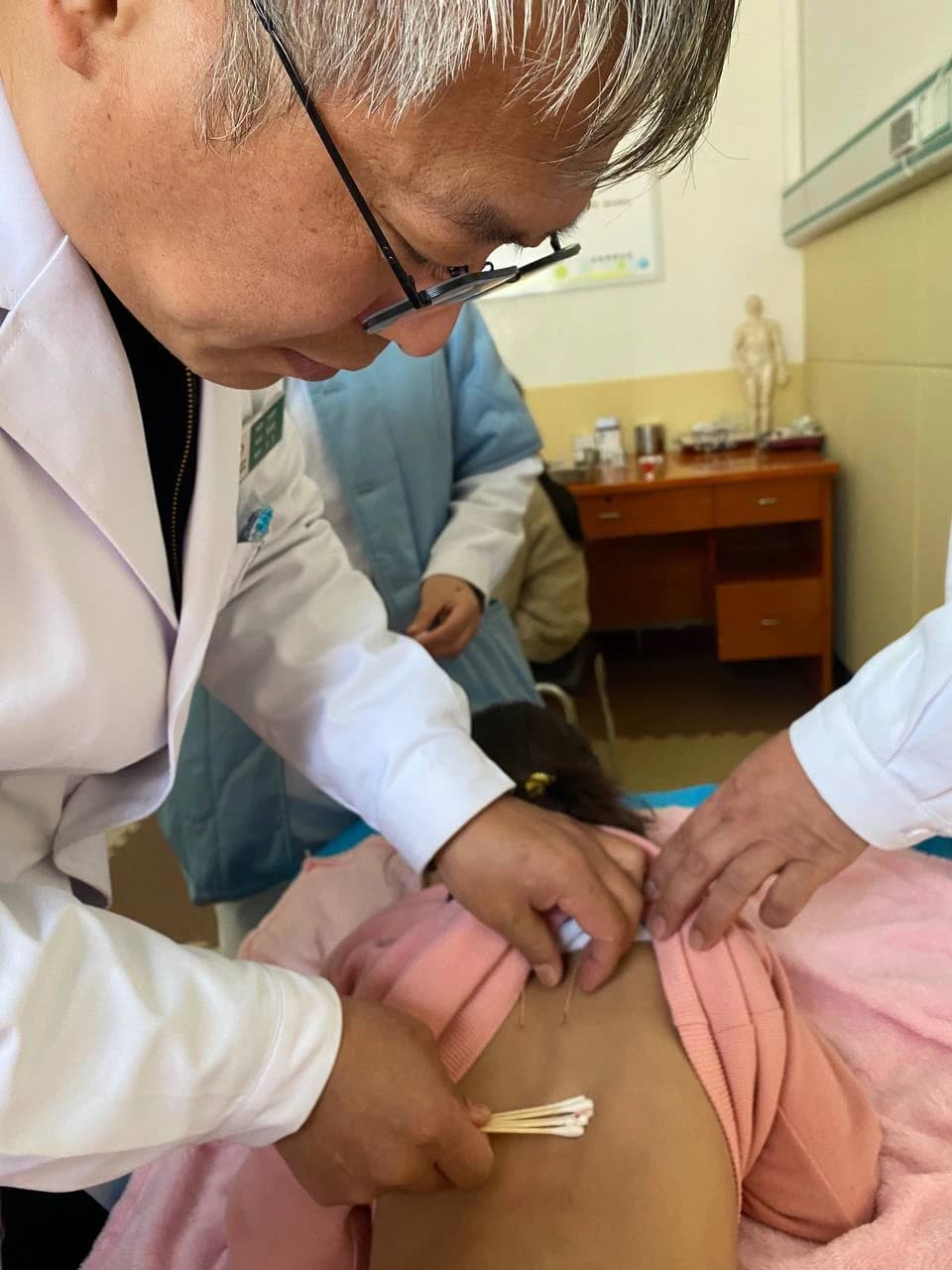
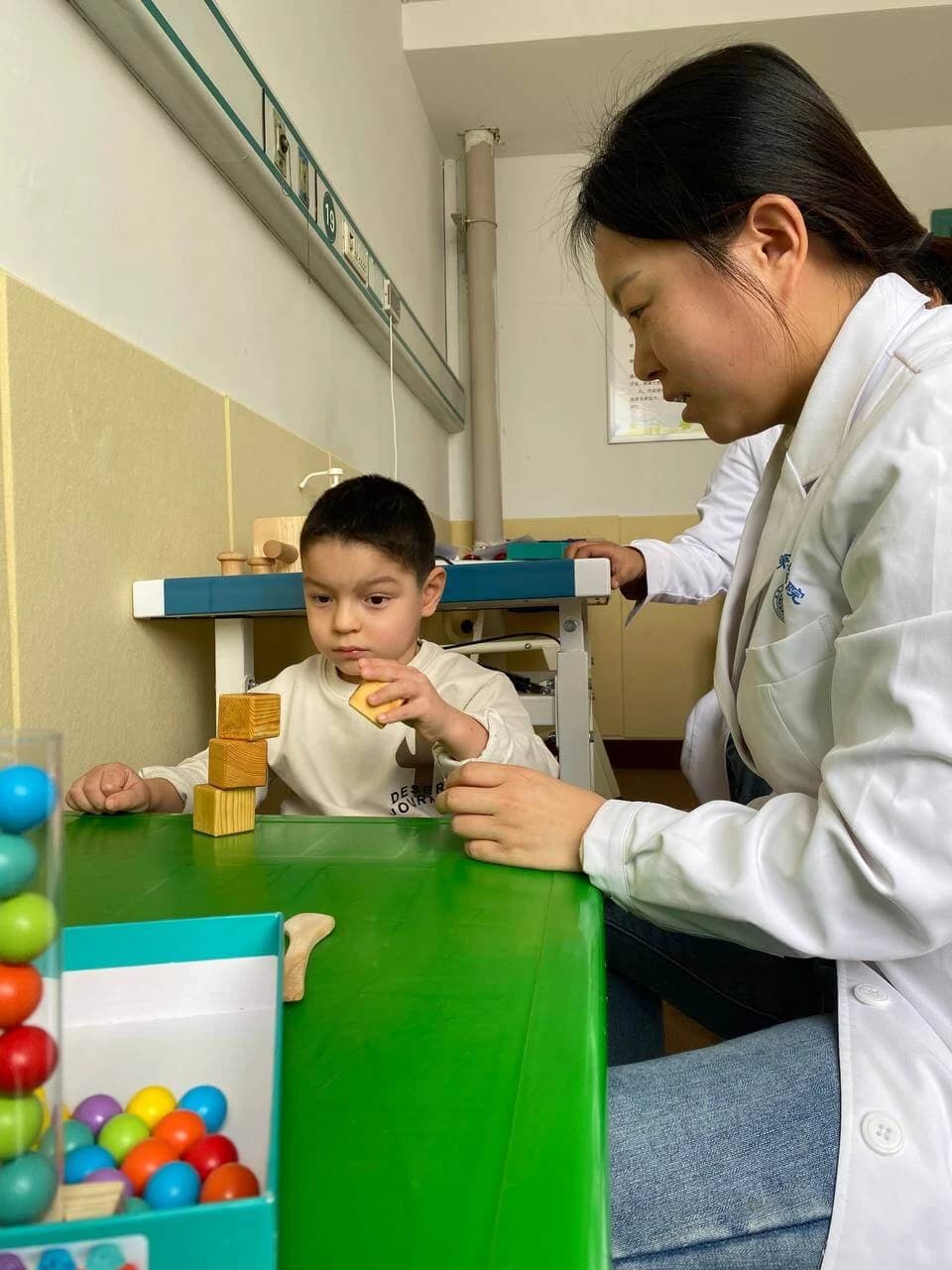
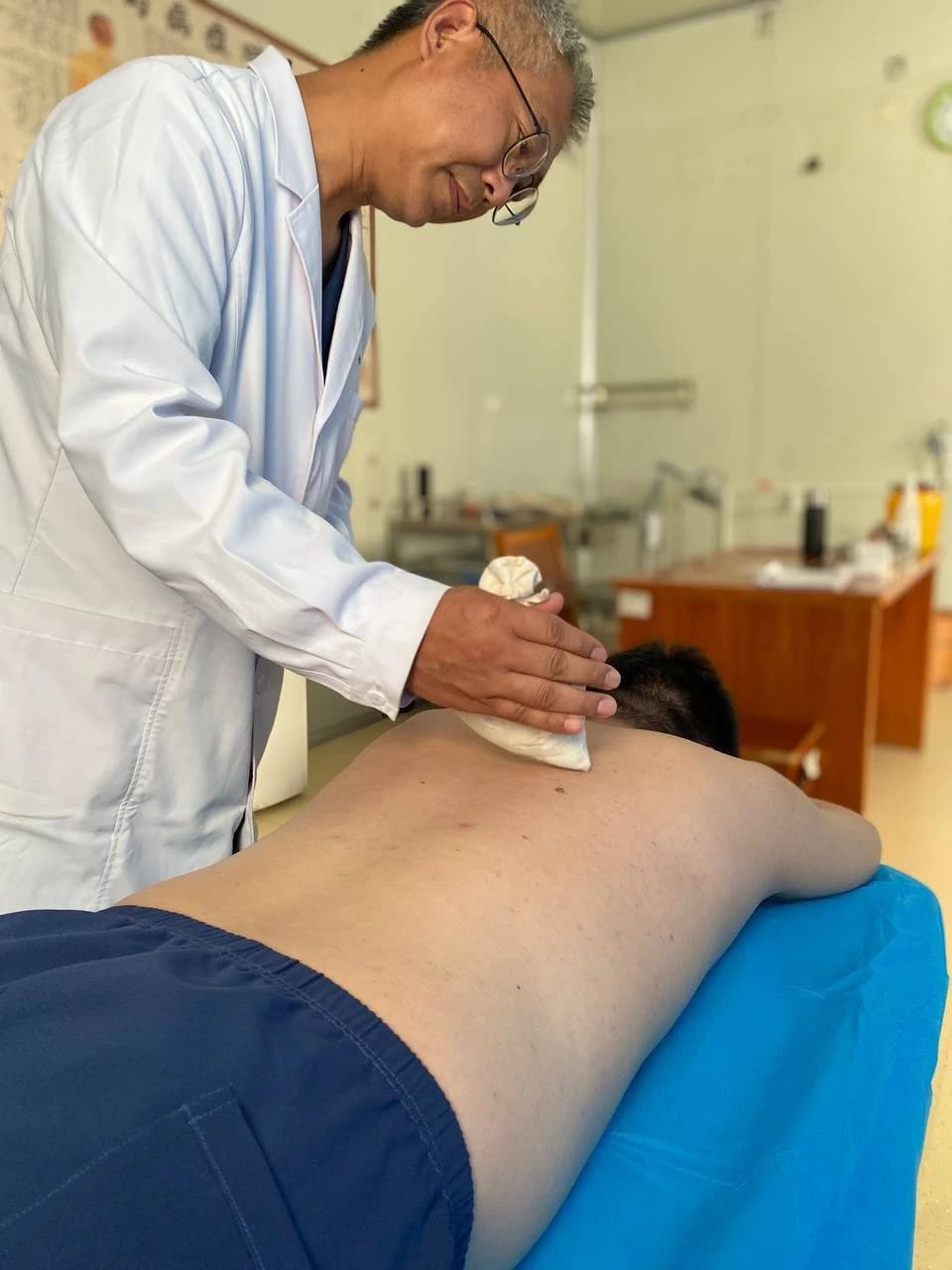
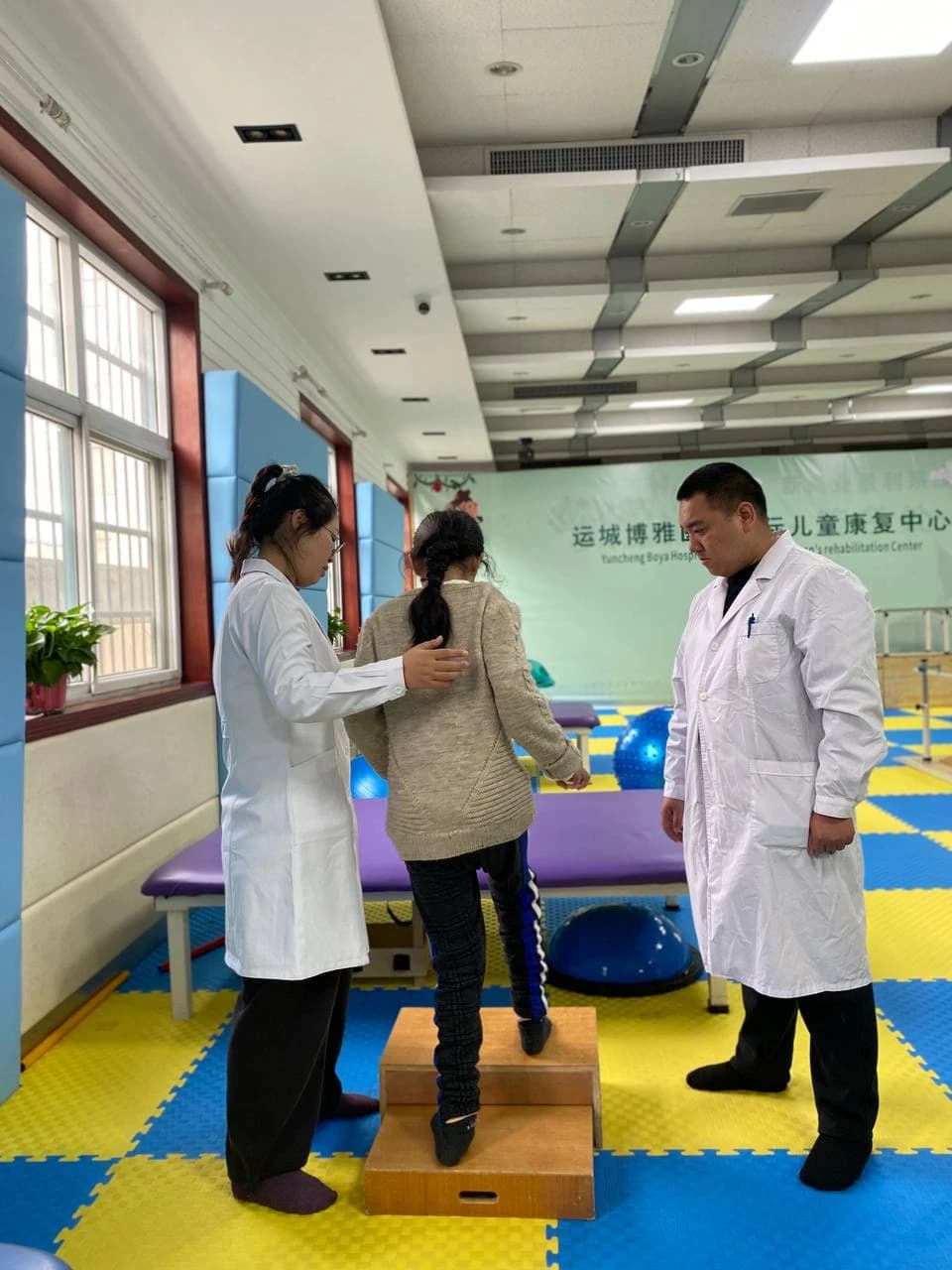
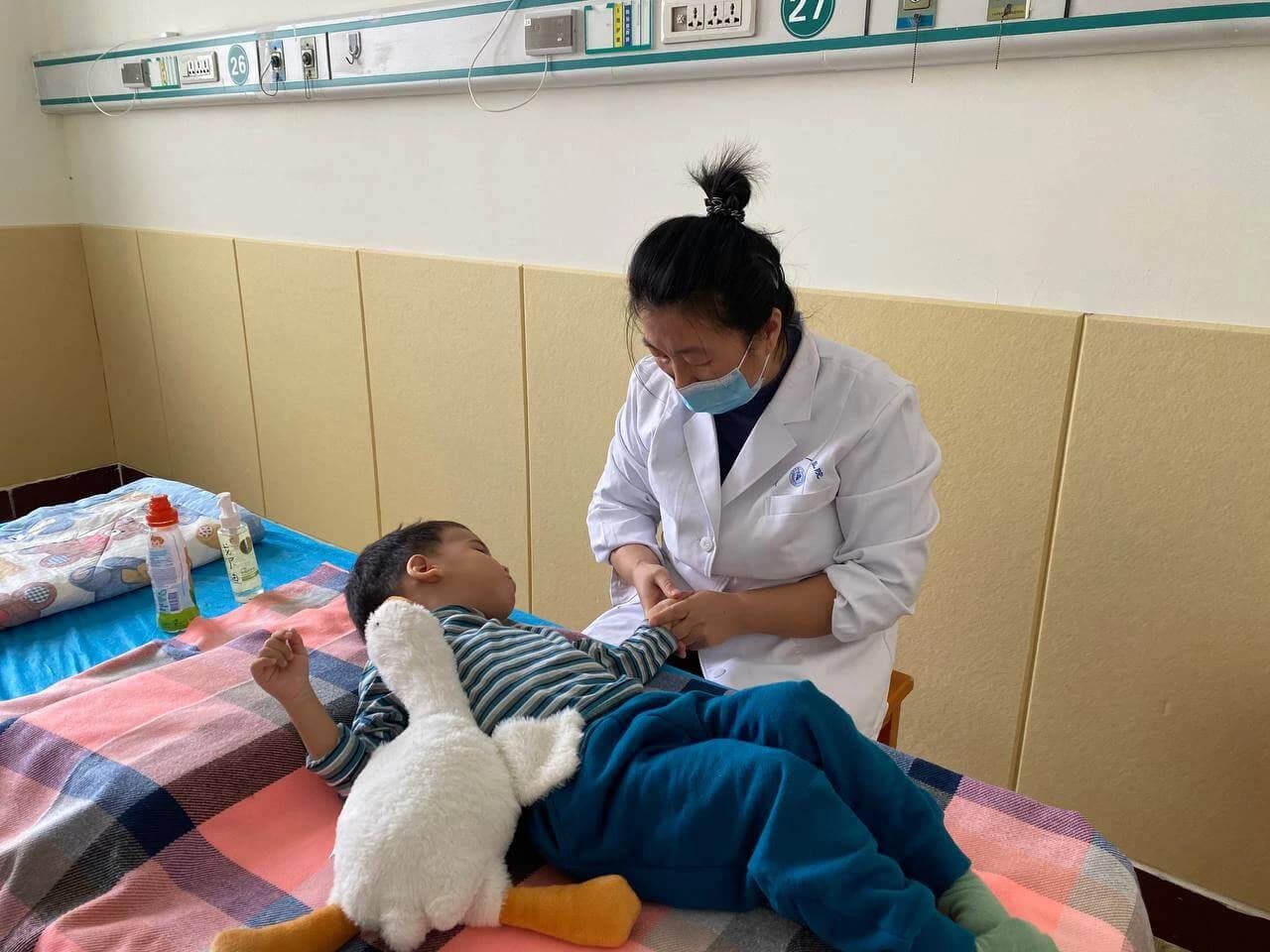
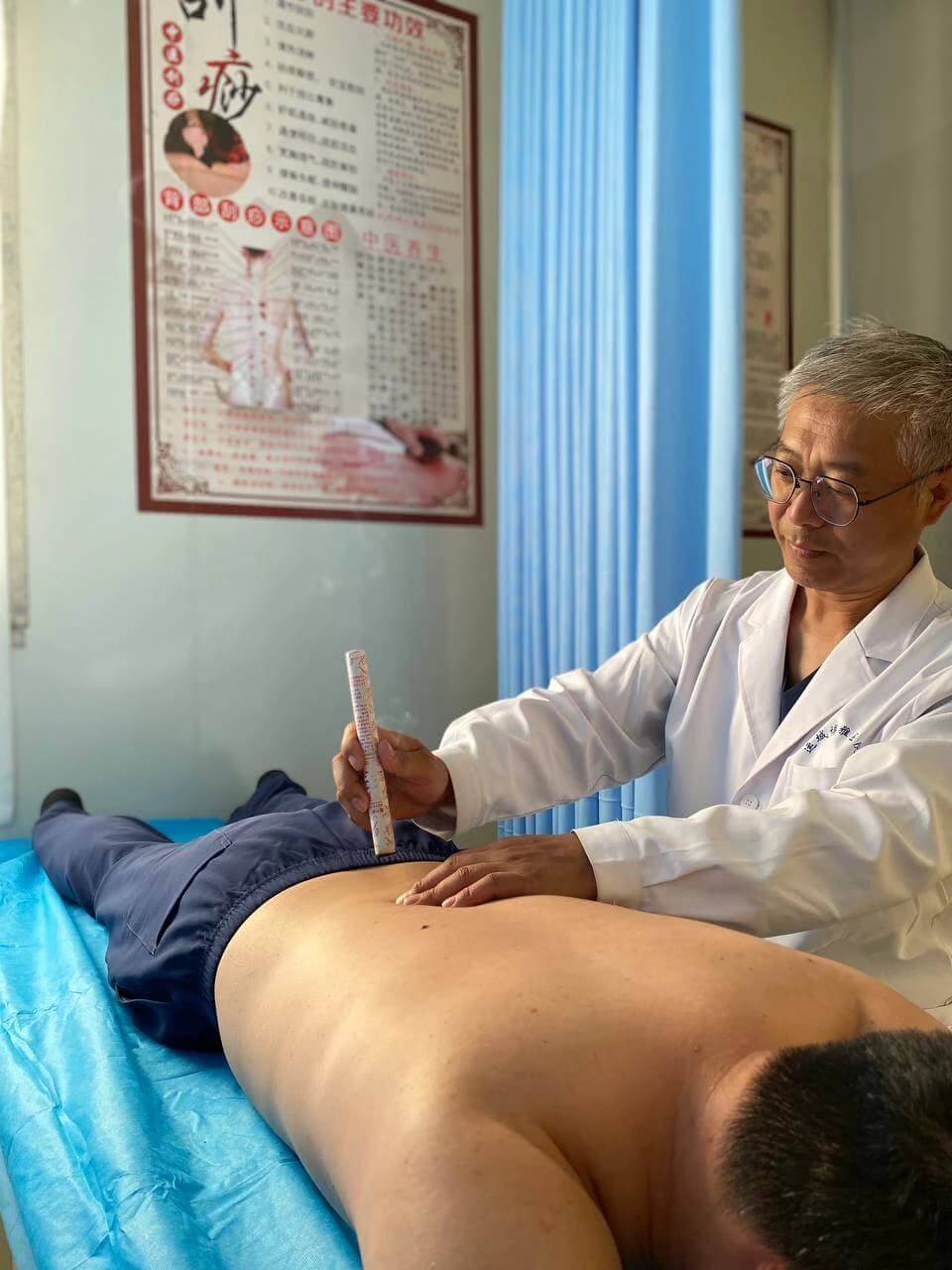
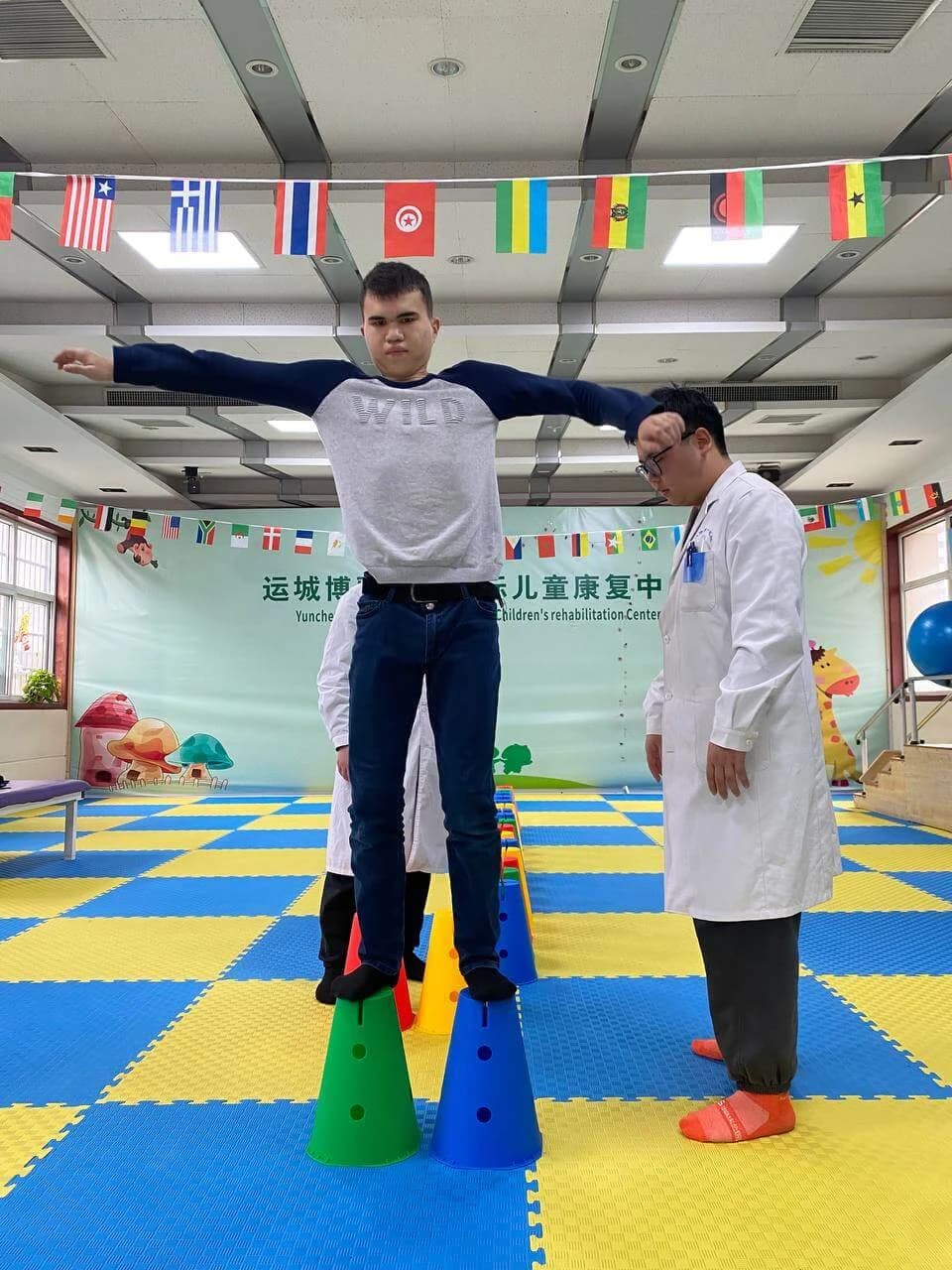
Boya Hospital (Yuncheng, Shanxi Province) works in pediatric neurological rehabilitation and does not provide specialist psychiatric care. Yet much of what shapes a child's mood is part of an ordinary course: 6–9 sessions a day, 6 days a week in a clear and constant rhythm, daily movement — exercise therapy, occupational therapy, sensory integration — and body-based Chinese medicine procedures: pediatric Tui Na massage, acupuncture, moxibustion therapy, herbal compresses. The program is selected by the doctor individually, after reviewing the child's documents.
What to expect from a course, and where its limits are
Rehabilitation does not remove depression — promising that would be untrue. It works on what can be changed: routine, movement, the level of overload, and the number of small wins in a day. A child whose day is structured, who moves, and for whom at least something works out more often comes out of listlessness and withdrawal. If the symptoms are severe, however — the child says they do not want to live, completely refuses food or contact — in-person help from a specialist doctor at home is needed, and it is not postponed until the trip. Such care and rehabilitation do not compete; they complement each other.
How to start
Send us your child's documents — medical records, specialists' reports, test results — and describe how long ago the change happened and what preceded it. The hospital's doctor will review them and tell you honestly whether a course is right at this point. The document-based consultation is free and there is no prepayment: you pay on site and only for what your child has actually received.
Causes
In children, low mood is almost never without a reason. Behind it there is usually prolonged frustration (the child cannot express themselves or reach a clear result), chronic fatigue, pain, disrupted sleep, or abrupt changes in life. Sometimes a similar picture comes from physical causes — deficiencies, thyroid problems, the aftermath of an illness.
Symptoms
The child is listless and joyless for long stretches, loses interest in games and activities they used to enjoy, eats and sleeps worse, and tires quickly. They cry more often — or, on the contrary, become irritable. In teenagers this is joined by withdrawal and falling school performance.
Diagnostics
There is no single test: what is assessed is the dynamic — how long the low mood has lasted, what has changed in the child's life, and how sleep, appetite, and activity are doing. It is important to rule out physical causes and, when symptoms are pronounced, to get an in-person consultation with a specialist doctor at home.
Prognosis and rehabilitation approach
A child's mood depends heavily on routine, movement, and a manageable, understandable workload. Regular sessions, a structured day, and body-based procedures help restore activity and interest. At the same time, rehabilitation does not replace care from a specialist doctor: if the condition is severe, the two tracks run in parallel.
How rehabilitation works
Diagnostics
Comprehensive examination and patient assessment by an international team of specialists
Rehabilitation plan
Development of an individual rehabilitation program considering diagnosis specifics
Therapy
Intensive course of procedures: physical therapy, massage, physiotherapy, acupuncture and other methods
Results
Progress evaluation, home recommendations and maintenance therapy plan
Rehabilitation procedures: Depressive Symptoms
Frequently asked questions: Depressive Symptoms
Book a free consultation
Send us the medical records and a short video — Boya doctors will review the materials and tell you how they can help. A coordinator will get back to you within 5 minutes.