
Rehabilitation for Tics at Boya Clinic
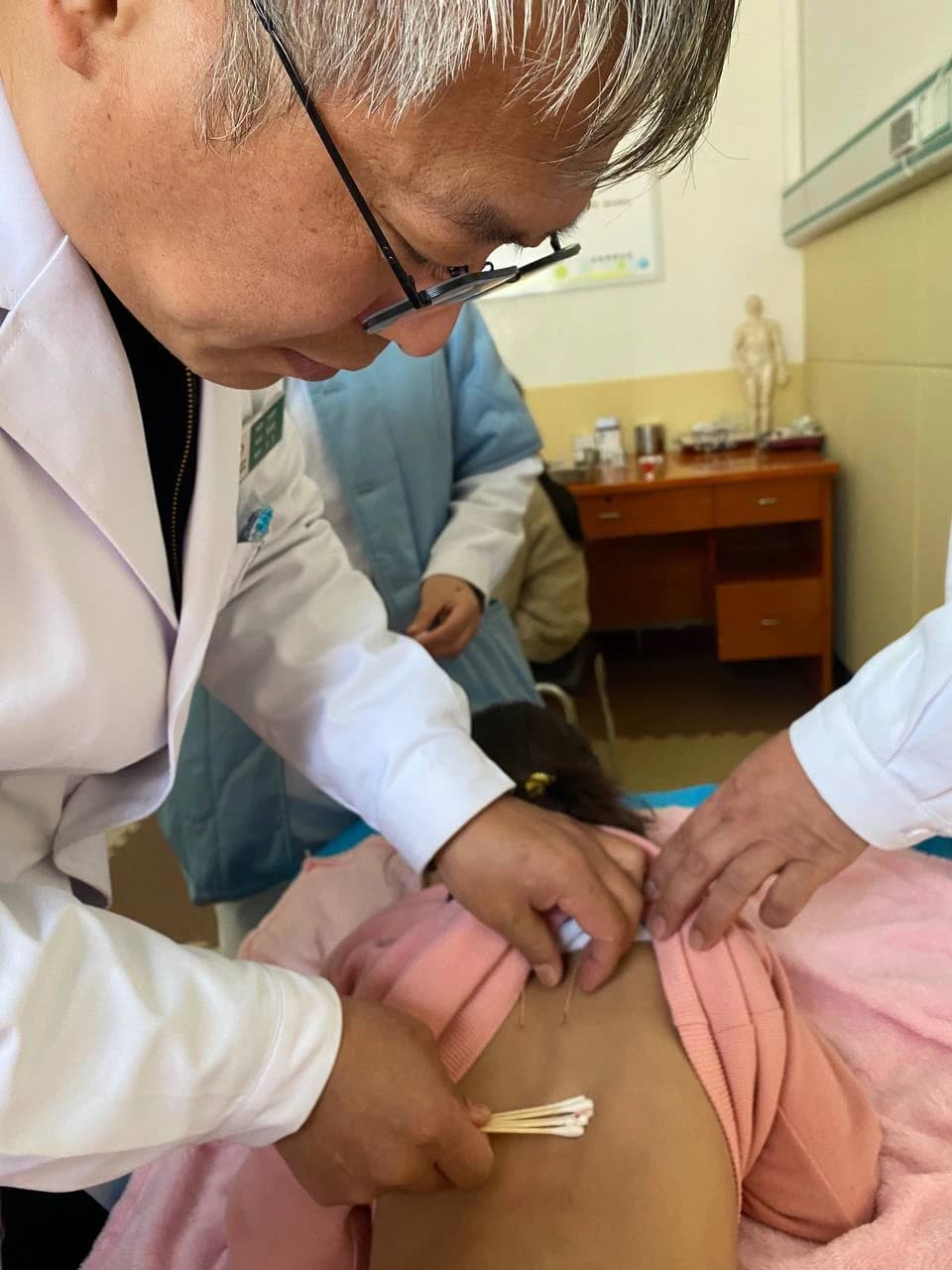
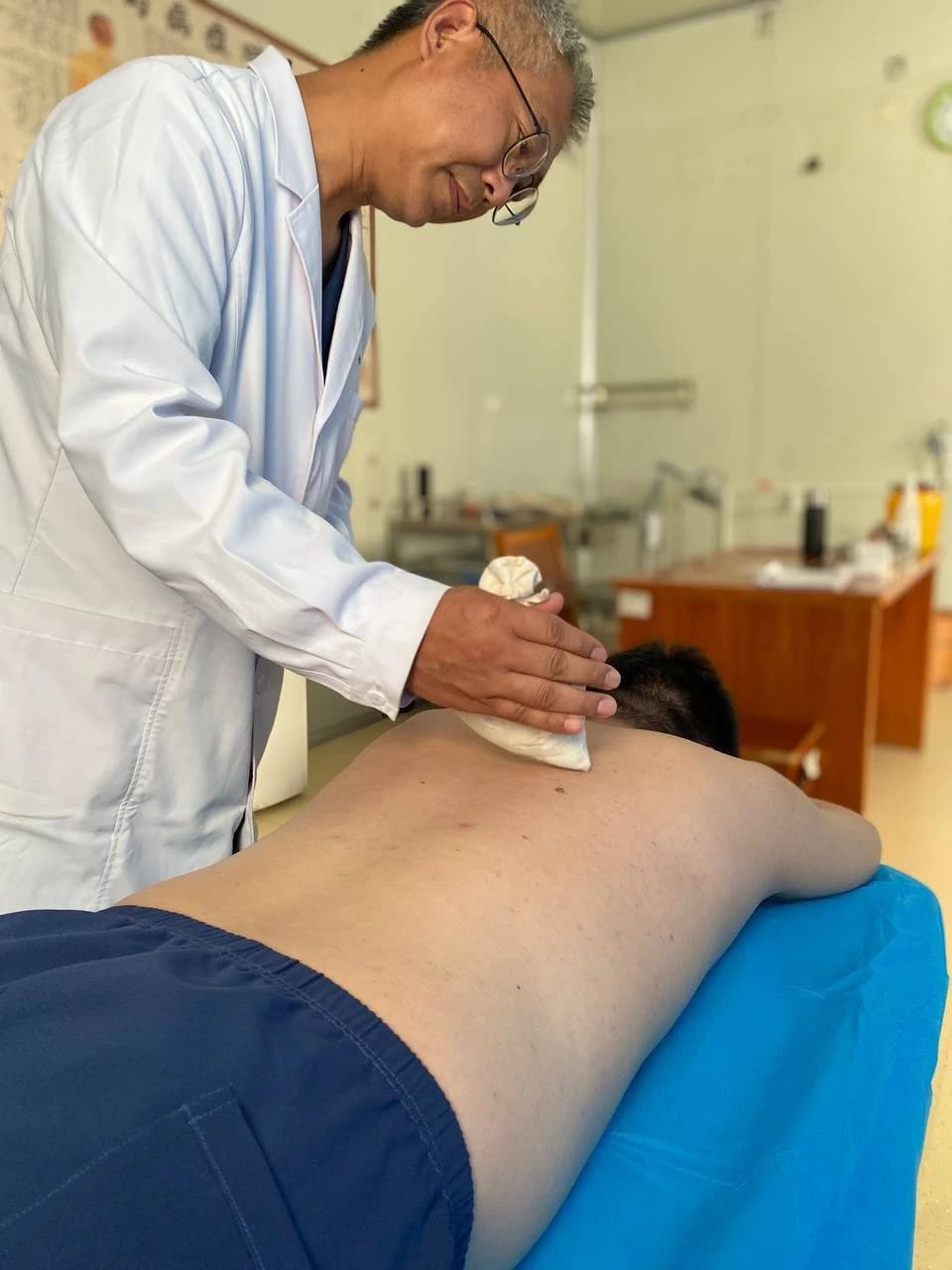
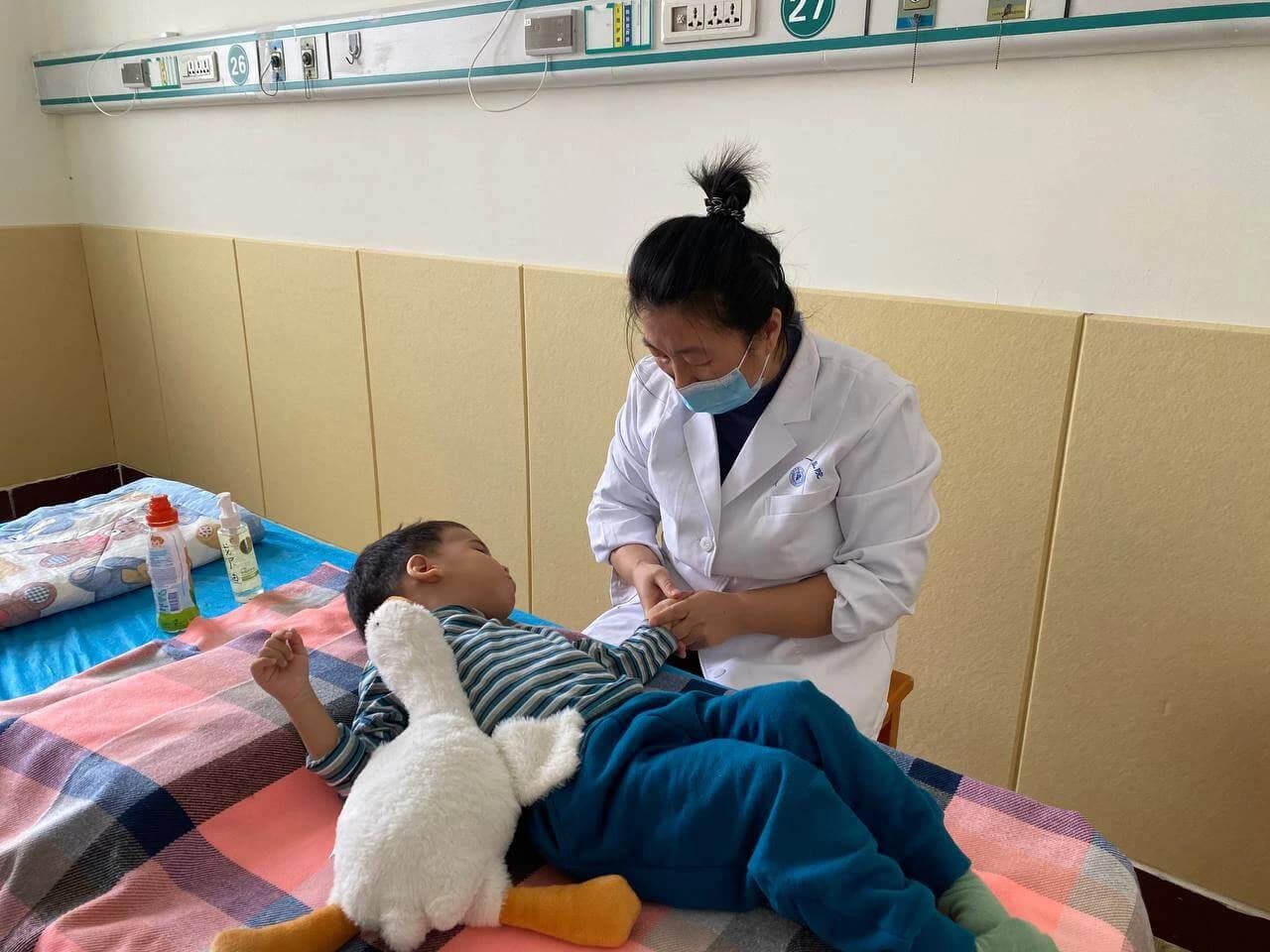
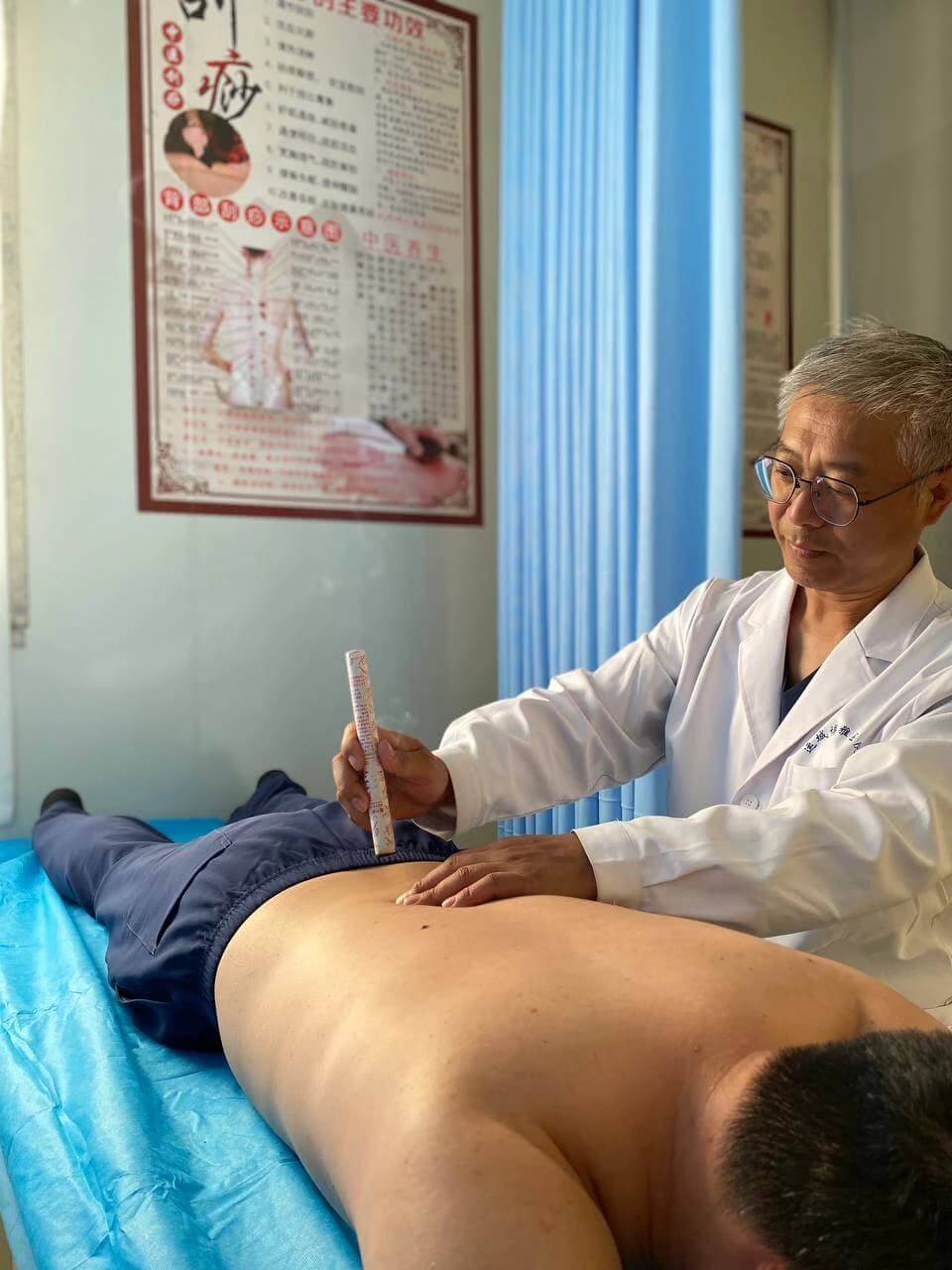
Boya Hospital in Yuncheng addresses tics as part of a broader picture: the program aims not at "switching tics off" but at reducing the tension and overload that make them stronger. The course includes sensory integration, pediatric Tui Na massage, moxotherapy, and acupuncture when prescribed by the doctor. The recommended course is 2–3 months, with payment on site.
What is Tics?
Tics are sudden repetitive movements or sounds a child can barely control. Motor tics look like blinking, squeezing the eyes shut, twitches of the face and neck, or grimaces; vocal tics sound like throat clearing, humming, or repeated sounds. Tics increase with excitement, tiredness, and after illness, and usually subside when the child is absorbed in something interesting. They can be held back, but not for long: inner tension builds up and the tics come back stronger. This is not mischief and not a consequence of parenting — it is how the brain structures responsible for starting and inhibiting movement work.
There is one important feature worth knowing in advance: the course of tics is wave-like. Periods of intensification alternate with quiet spells for no visible reason — sometimes simply because a school term ended or the child finally got enough sleep. So it is more honest not to attribute changes that coincide with a rehabilitation course directly to the sessions: dynamics can only be judged over a long stretch of time.
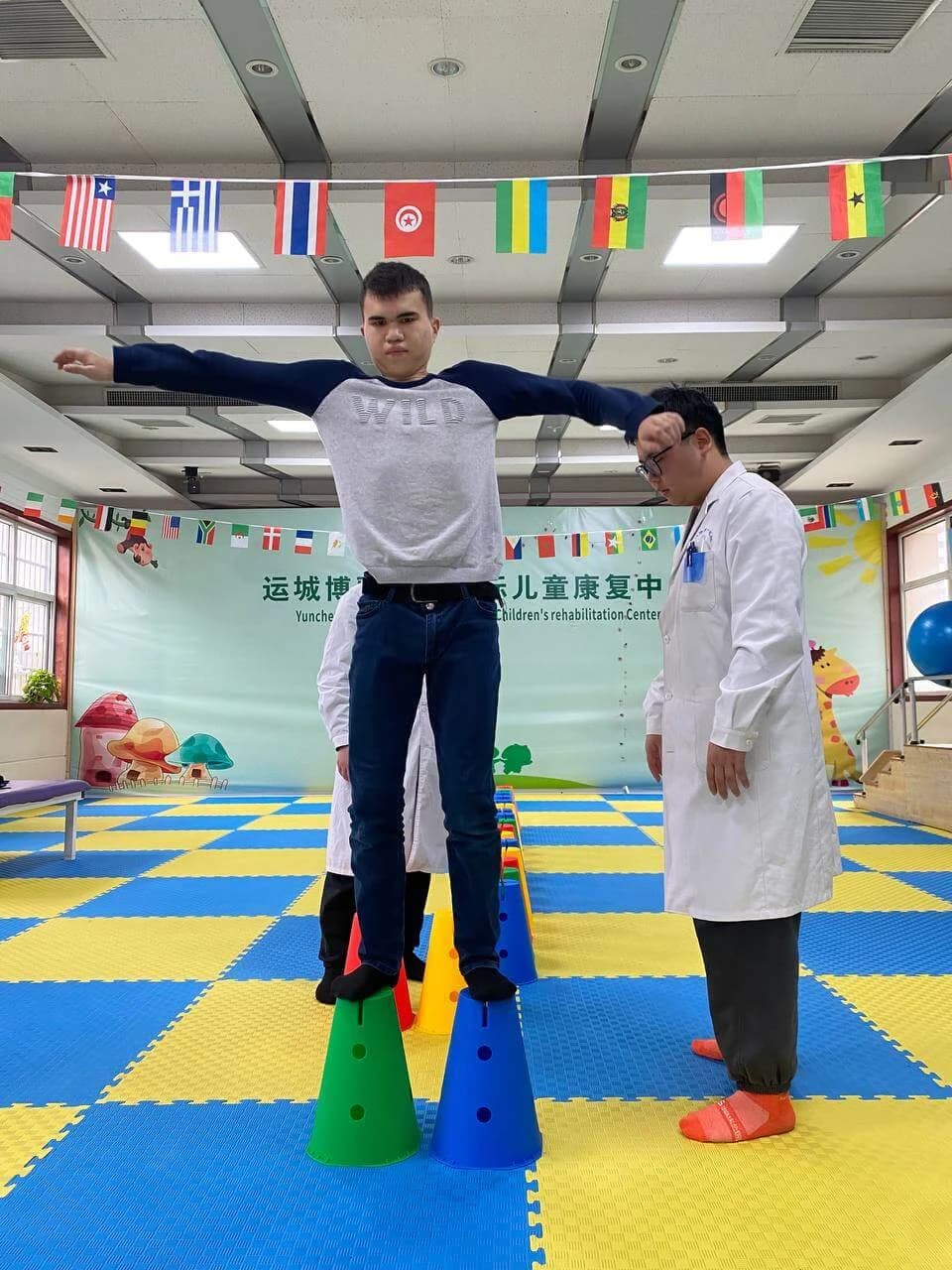
Boya Hospital (Yuncheng, Shanxi Province) specializes in pediatric neurological rehabilitation, and tics are most often included in the program as a secondary task. The work aims not at "switching tics off" but at reducing the tension and overload that make it easier for them to intensify. The program includes sensory integration (attention and self-regulation), pediatric Tui Na massage and moxotherapy, which are used for general tension and difficulty relaxing and sleeping, herbal compresses, and acupuncture when the doctor prescribes it. The schedule is the standard one: 6 days a week, with a recommended course of 2–3 months.
What matters for parents
The most useful thing you can do at home is to stop commenting on the tics. Requests like "don't blink" and "stop that" make the child monitor themselves, which adds tension and usually increases the manifestations. Other things do work: a calm, predictable environment, enough sleep, a reasonable load without evening overload, and a matter-of-fact attitude from adults when the tics are visible to others.
How to start
Send us the neurologist's report, EEG and other test results, a list of medications, and — if possible — a short video of an ordinary day. The hospital's doctor will review the documents and tell you what can realistically be done within the course. The document-based consultation is free, and there is no prepayment: you pay on site and only for the procedures actually received.
Causes
At the root are features of how the subcortical brain structures that start and inhibit movement work; hereditary predisposition plays a notable role. Manifestations increase with stress, fatigue, and after infections. Tics are not mischief and not a result of parenting.
Symptoms
Motor tics — blinking, squeezing the eyes shut, twitches of the face and neck, grimaces. Vocal tics — throat clearing, humming, repeating sounds or words. Tics increase with excitement and ease off when the child is absorbed in something interesting. They can be held back briefly, but inner tension builds up as a result.
Diagnostics
The diagnosis is made by a neurologist based on observation and the child's developmental history: the character of the movements, how long they have been present, and how they change through the day all matter. When needed, an EEG and other examinations are ordered to rule out other conditions with similar signs.
Prognosis and rehabilitation approach
Tics follow a wave-like course: periods of intensification alternate with quiet spells for no visible reason, and in many children the manifestations ease off over time. That is why the goal is not to "remove tics" but to lower the overall level of tension and overload that makes it easier for them to intensify.
How rehabilitation works
Diagnostics
Comprehensive examination and patient assessment by an international team of specialists
Rehabilitation plan
Development of an individual rehabilitation program considering diagnosis specifics
Therapy
Intensive course of procedures: physical therapy, massage, physiotherapy, acupuncture and other methods
Results
Progress evaluation, home recommendations and maintenance therapy plan
Rehabilitation procedures: Tics
Frequently asked questions: Tics
Book a free consultation
Send us the medical records and a short video — Boya doctors will review the materials and tell you how they can help. A coordinator will get back to you within 5 minutes.