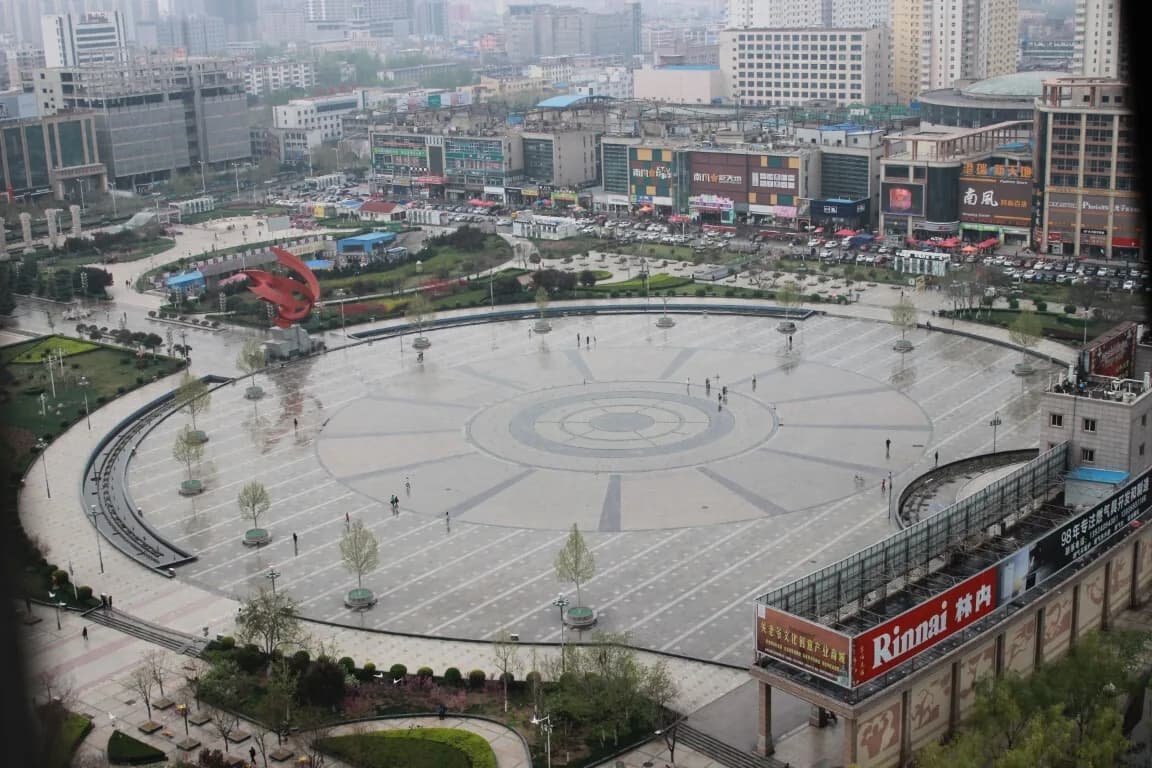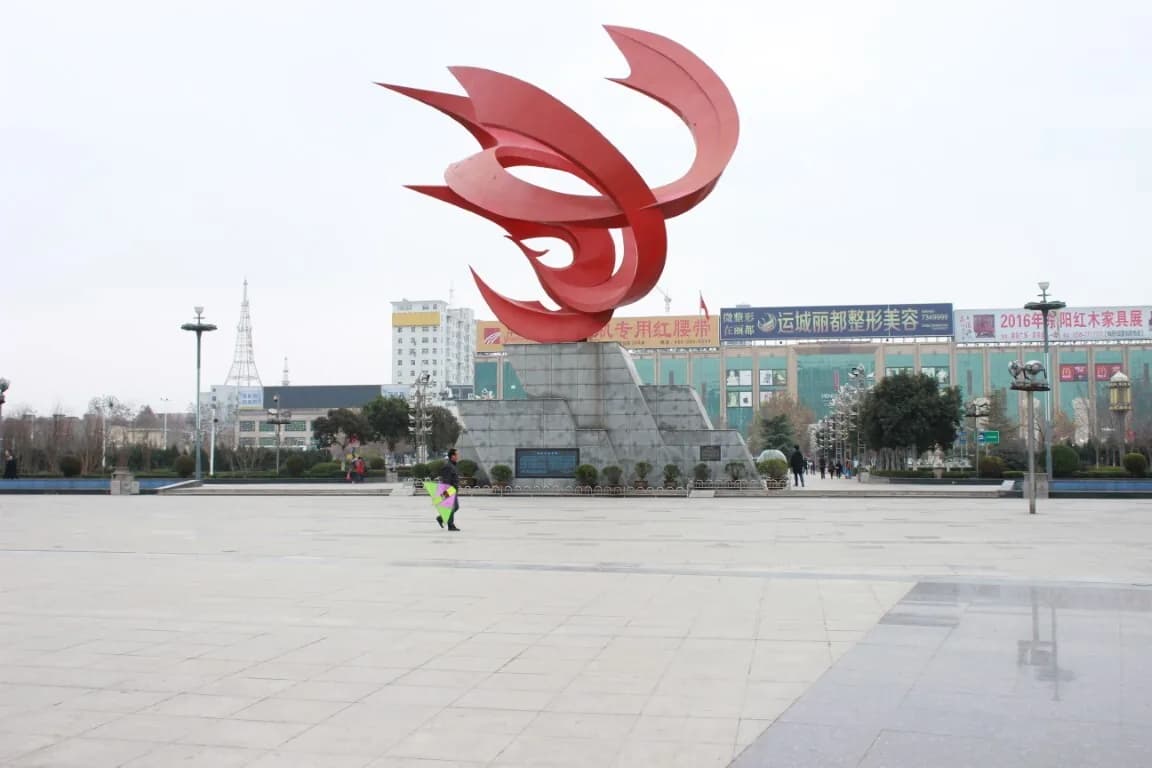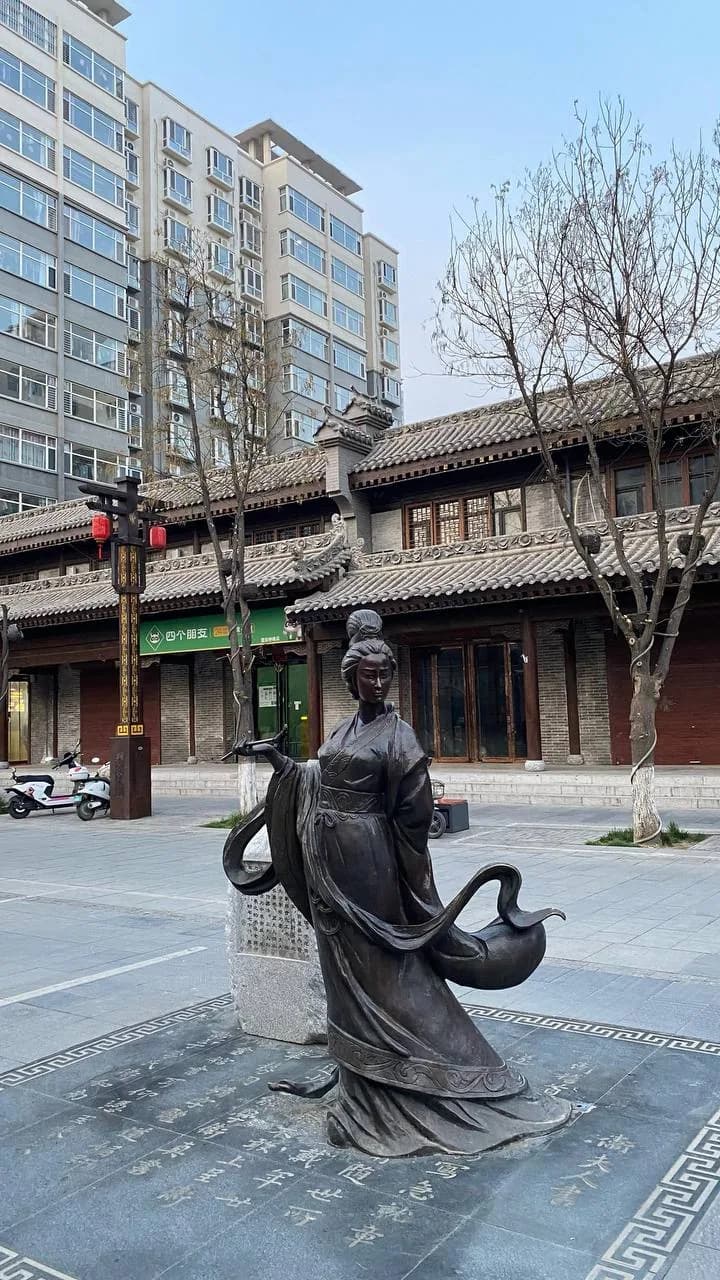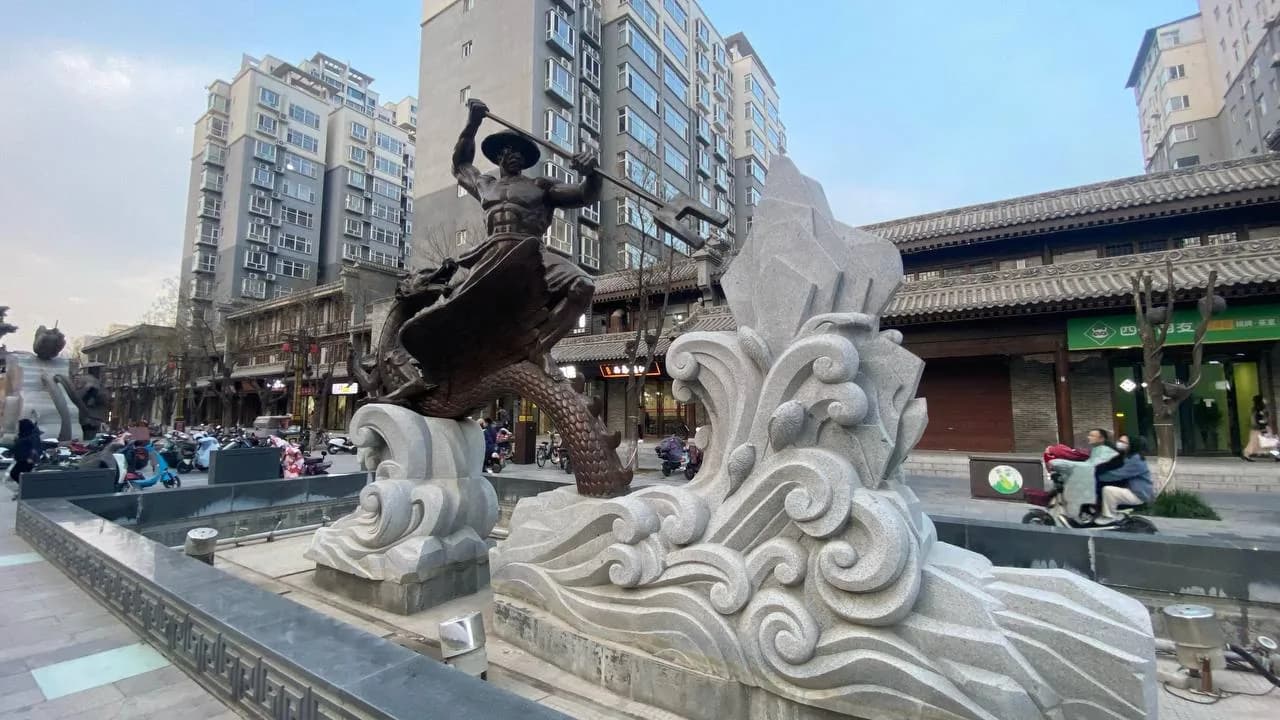
The city of Yuncheng
Yuncheng is a city in southern Shanxi province with a history spanning nearly four thousand years: the birthplace of general Guan Yu, next to the temple complex built in his honour there is an ancient Salt Lake and a salt museum, old-town blocks and a cuisine of its own. This is where families go on days off from sessions.
Contents
What kind of city Yuncheng is
Yuncheng (运城) sits in the south of Shanxi province, right where three Chinese provinces meet — Shanxi, Henan and Shaanxi. That meeting point is more than a line on a map: it is the city's whole character. Over almost 4000 years of history the city has absorbed trade routes, cultures and entire eras, and each one left its mark on the streets.
A rehabilitation course at Boya Clinic takes several weeks, and for all of it the family lives alongside this history — not behind museum glass, but as part of everyday city life: ancient temples and pagodas sit next to wide avenues, shopping blocks and a high-speed rail line, and an evening walk after sessions quietly turns into a small trip through the centuries.
Good news for anyone not used to living history around every corner: Yuncheng is not an open-air heritage park but an ordinary functioning city, with the supermarkets, cafés and connectivity a family needs without having to think twice about it.
Guan Yu's legacy
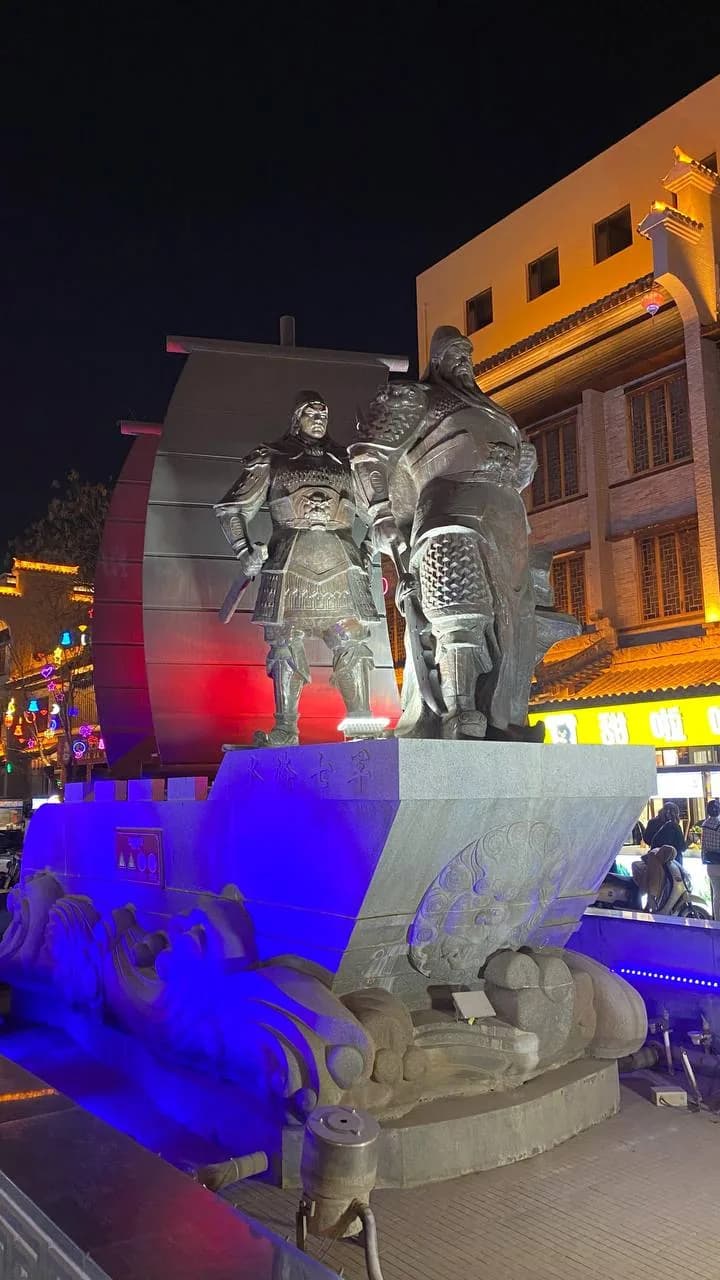
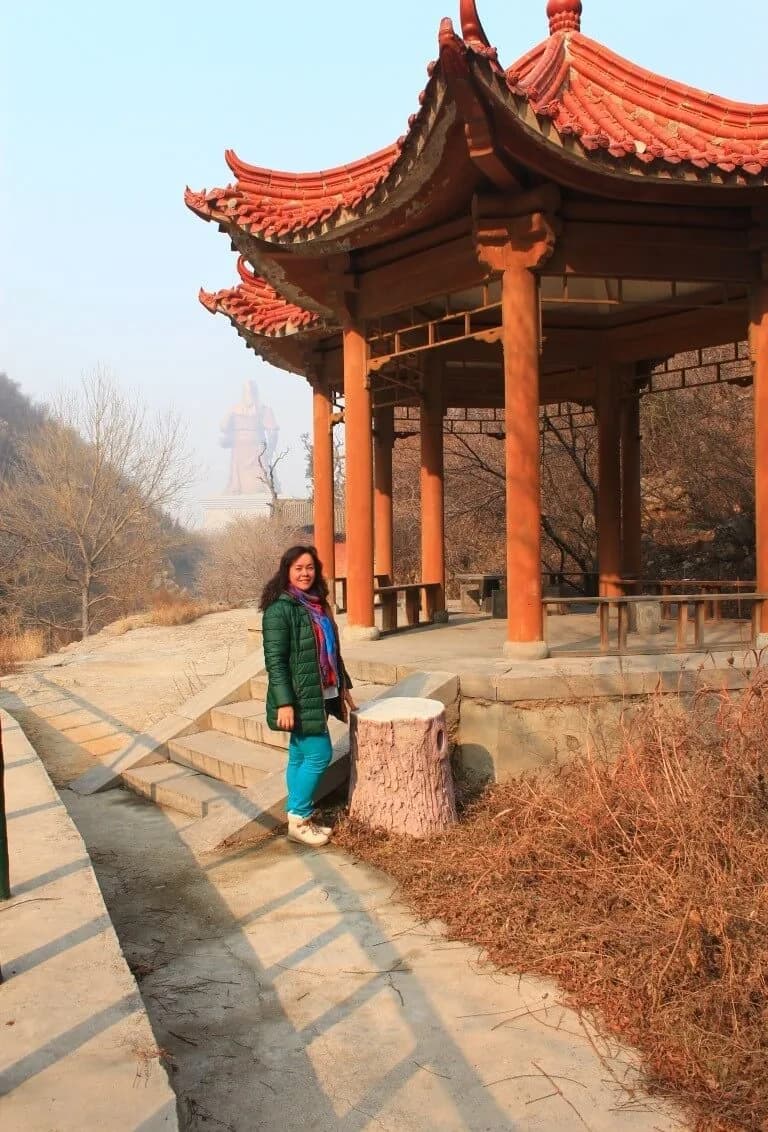
The city's main landmark is the mausoleum of Guan Yu together with the temple complex built in his honour: together they cover more than 10,000 square metres. Guan Yu was a general (160–220 AD) who rose to prominence in the closing years of the Han dynasty, shortly before the Three Kingdoms period began, and Yuncheng is his birthplace — he was born here, and the city has kept his memory alive ever since as a living symbol of military valour and loyalty.
Behind the complex's red walls and carved gates is not an empty museum but a working shrine: halls where offerings have been made for centuries, and ceremonial squares that convey the scale of a figure who became China's benchmark for honour. It is easy to see it all in one unhurried visit — the complex is compact.
Useful tips
- It is easiest to fit a visit to the complex into a free day if you plan it in advance — the coordinator can help pick a date that doesn't clash with sessions
The Salt Lake and the salt museum
The southern edge of Yuncheng is taken up by an ancient Salt Lake — a natural landmark the city has grown up around for centuries. Salt production here began about 4000 years ago: salt from these waters fed the region long before the first temples appeared, and today the story of that "white gold" is told at the salt museum.
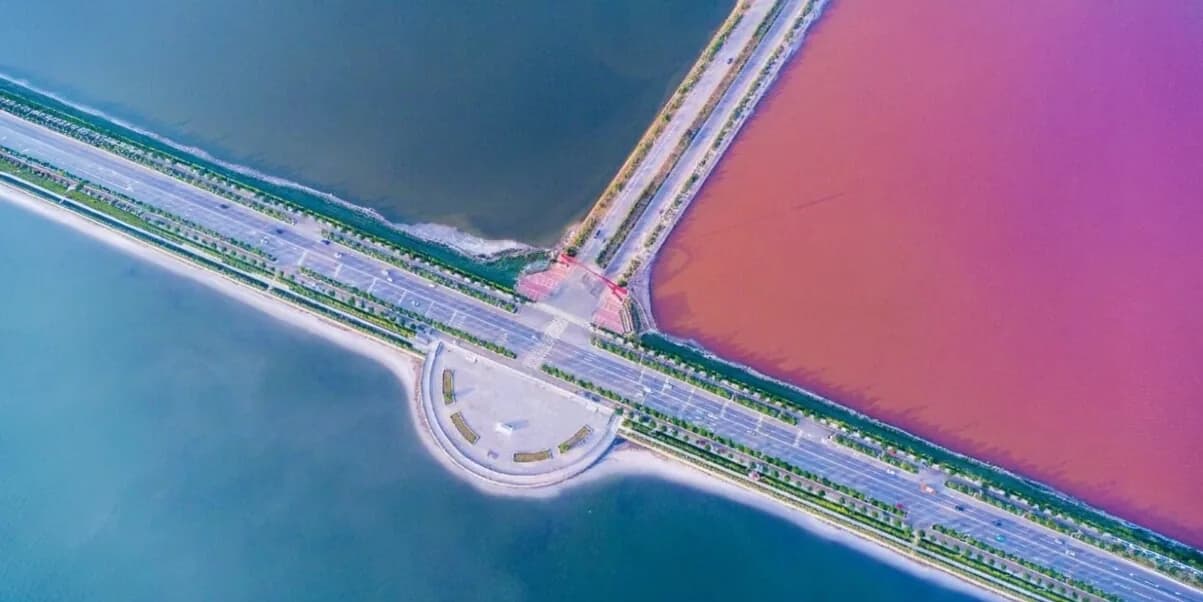
Modern spa and wellness complexes now operate next to the lake, offering a place to relax by the water for an hour or two. Seen from above, the lake's water is often split into contrasting colours in different sections — from turquoise to pink — and those views are part of what the lake is known for locally.
What else to see
A few more landmarks from different eras stand within the city:
•the Yonghegong temple, a Buddhist complex
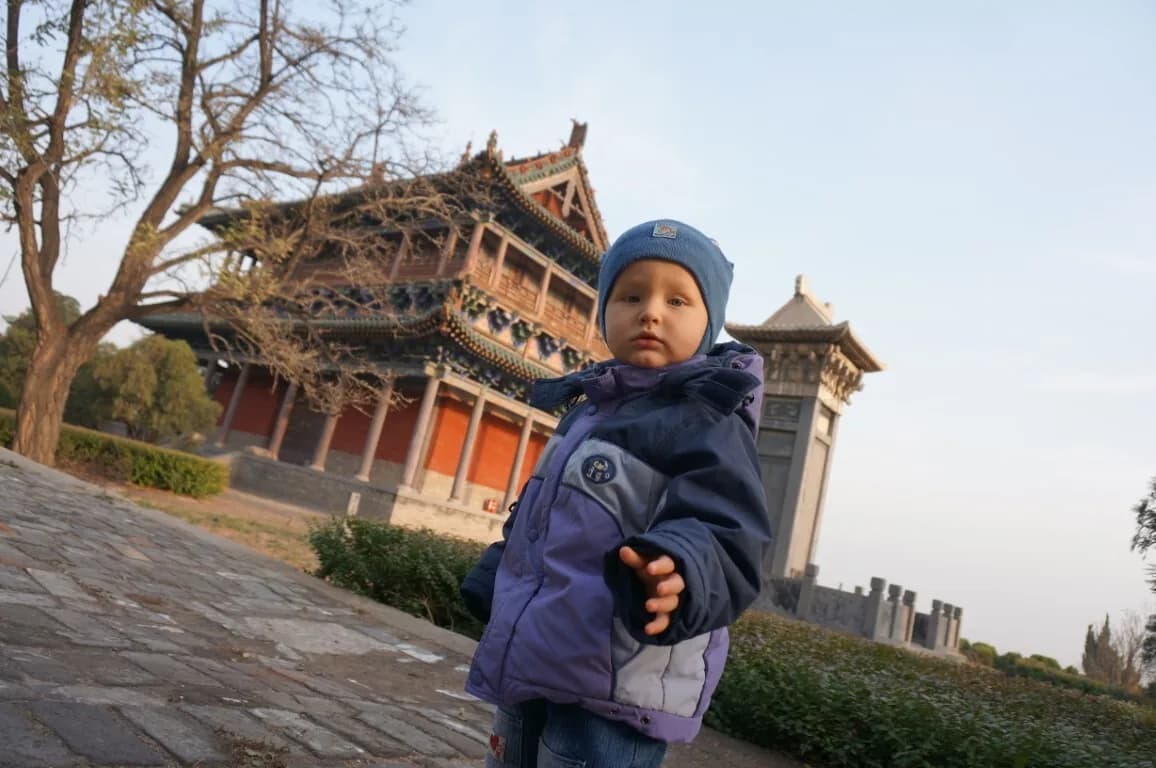
•the Tang-dynasty Baota pagoda, rising above the old-town blocks
•the Ming-dynasty city walls
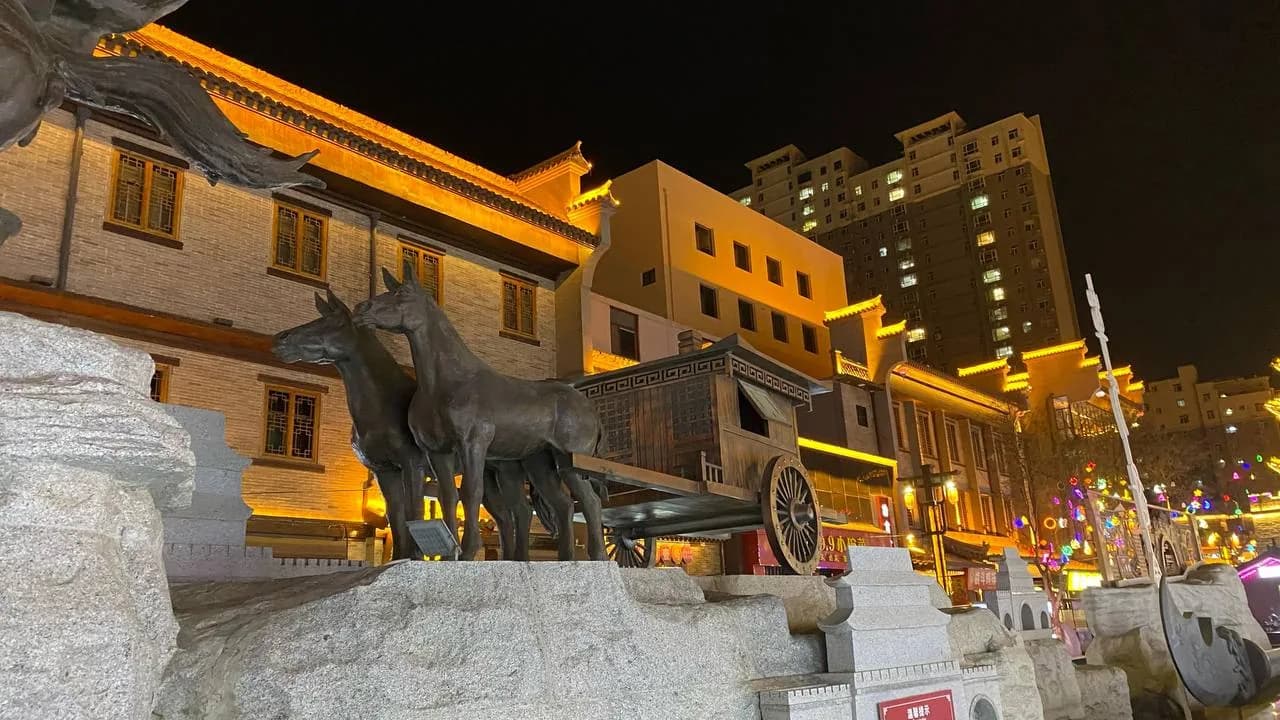
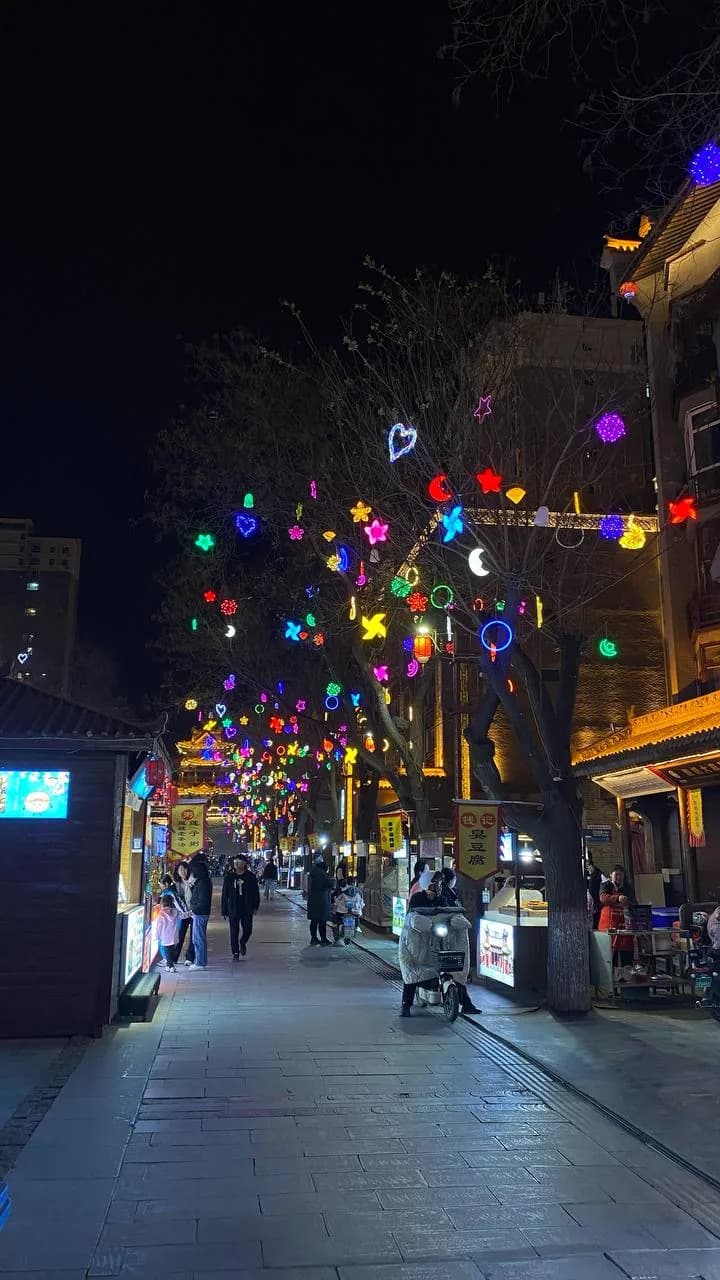
In the evening the same streets change character: lit traditional facades, sculptures and strings of lanterns along the pedestrian areas. By day the same streets work as an ordinary shopping street with small shops and street food — exactly the kind of place to head to for a free evening as a family.
Shanxi cuisine
Shanxi province is known for dao xiao mian (刀削面) noodles — shaved with a knife straight into boiling water — and for lamb dishes. Just as worth trying are the local pickles, made using the lake's own salt, and traditional sweets whose recipes have been passed down for generations.
If your child has dietary restrictions, ask the coordinator in advance to write them down in Chinese characters — a short note in your phone notes settles the question in a street eatery faster than gestures ever could.
Getting around and day trips
Yuncheng's airport (IATA: YCU) handles domestic flights only, connecting the city with the country's largest metropolises, and the drive from it to Boya Clinic takes about 20 minutes. An international route is almost always built with a connection at one of the country's major airports — exactly how, we work out with the family in advance, at the "Flying to China" stage.
Yuncheng's railway station is served by high-speed trains that reach 350 km/h, making it an easy trip to Beijing, Xi'an and other major Chinese cities. Xi'an, home to the famous Terracotta Army, is about 200 kilometres away — a realistic trip for a single free day, not a multi-day expedition.
Around the city itself, the easiest way to get about is a taxi booked through an app, with addresses saved in Chinese on your phone in advance. When a situation goes beyond a simple walk — an appointment at a city clinic, a conversation with a landlord — the clinic's interpreter is available: he stays reachable outside the hours set aside for sessions.
Useful tips
- Save the clinic and apartment addresses in Chinese characters in your phone notes — showing the driver the screen on the phone is easier than trying to explain out loud
- It's more convenient to pay in Yuncheng through WeChat Pay or Alipay — cash is not accepted everywhere in cafés and at street stalls
- Discuss any out-of-town plans with the coordinator in advance — they will help fit the trip into the days off from sessions
When to visit
Yuncheng is often mistaken for the warm, southern China of the imagination — but the city sits in the country's north, and the climate matches that: a genuinely cold winter and a hot, dry summer, not the subtropical picture many expect. When packing, go by Yuncheng's actual weather rather than general assumptions about "China."
Spring and autumn make for the pleasantest walking weather in the city. In the other months, it is worth planning walks for days without evening procedures, so the outing doesn't shift the schedule of sessions.
Weather by season
- Winter (December–February)
- around −2…+1°C on average, down to −8°C at night
- Spring (March–May)
- around +8…+21°C on average, up to +28°C by day already
- Summer (June–August)
- around +26…+27°C on average, up to +33°C by day
- Autumn (September–November)
- around +6…+20°C on average, down to about 0°C at night by November
Useful tips
- Agree the exact course dates with the coordinator in advance — the free days in the schedule depend on your child's programme, and it's easier to plan walks together with them
Photographs