
Gongshi and New Nine Needles are names families may encounter in Boya's descriptions of acupuncture. To understand a proposal for your child, ask about the specific action: where the practitioner will work, which instrument they will use, the intended goal and the relevant restrictions. The name of a school does not answer these questions on its own.
A useful starting point is to ask what is proposed, why it is being considered and how your child's response will be taken into account. Discussing these points helps you assess the programme before a procedure enters the schedule.
What the two descriptions mean
Boya describes Gongshi as scalp acupuncture: acupuncture in the hair-bearing area of the head. This identifies the general area but does not specify the number of needles, sites or duration for an individual child. Those details need discussion with the practitioner after assessment.
The description of New Nine Needles lists different instruments and forms of stimulation. Ask which option is proposed: will it involve penetrating the skin, applying pressure or another action? The word “needles” in the name does not describe every possible procedure.
It is therefore difficult to compare the two names as if they were fixed, equivalent courses. Understanding the individual proposal is more useful than choosing by an unusual name or the number of techniques listed.
Questions before the first session
Ask the practitioner to explain the procedure in everyday language. If an interpreter is helping, clarify unfamiliar actions as they arise. A broad explanation such as “working on points” leaves important details unanswered.
- What goal is acupuncture being proposed for, and why now?
- Which instrument, body area and technique will be used?
- Who will carry out the session, and what preparation do they have for working with children?
- What information about the child's health and current care is needed before a decision?
- What restrictions matter, and what other programme options are available?
- Can a parent stay, and how can the practitioner be contacted afterwards?
Ask for the selected procedure's name in writing so that later changes can be discussed precisely. Confirm duration and frequency for your child too: figures in a general page description do not automatically become their schedule.
A school's name does not establish an outcome
The NCCIH overview of acupuncture discusses findings for particular conditions, including pain conditions. These cannot automatically be extended to children's rehabilitation or a particular school. A general reference to acupuncture does not establish the outcome being proposed for your child.
Ask what changes the practitioner intends to assess, what they will compare them with and when the plan will be reviewed. “Monitoring progress” is easier to understand when a specific goal and an assessment method have been identified.
A family's account may help you prepare questions about travel and session arrangements. It does not show how likely the same outcome is for another child. When several parts of a programme change together, an observation after the course cannot establish each procedure's contribution either.
Agree on comfort and a pause signal
Before starting, discuss how your child can communicate discomfort. A word or a clear gesture may be suitable, depending on their communication abilities. Also ask how the practitioner will recognise discomfort if the child cannot yet explain it.
Talk through what happens if there is pain, marked distress or an attempt to end the session: when will the practitioner pause, who will assess the child and how will continuing be reconsidered? These are questions for the team, not a description of verified Boya rules.
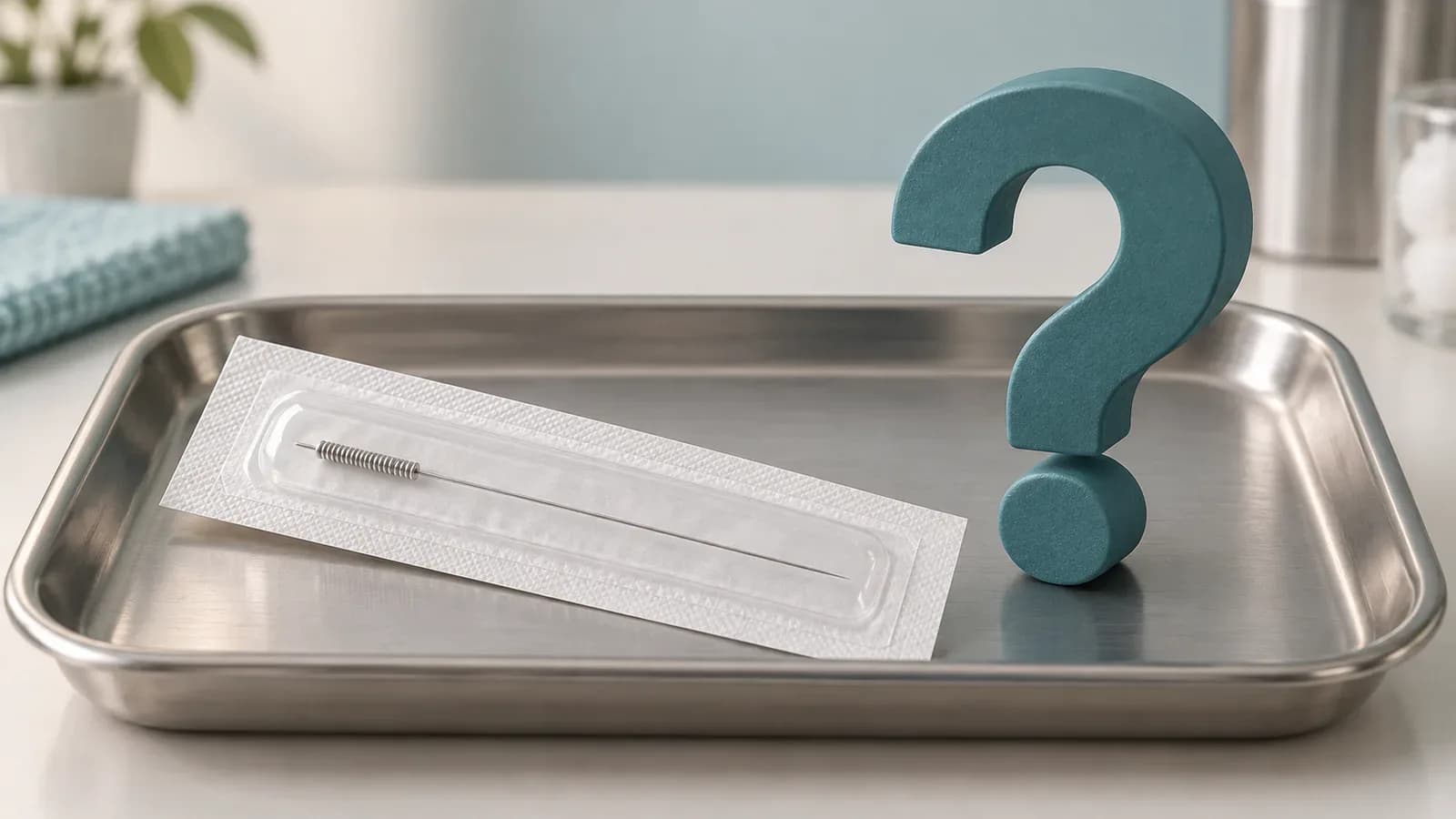
A fine needle or the word “gentle” does not guarantee an absence of unpleasant sensations. NCCIH reports serious complications associated with nonsterile needles and improper practice. Ask about sterile single-use needles and individual restrictions. The decision needs discussion with a medical professional; acupuncture should not delay necessary medical care.
Keep useful notes for the next discussion
Brief notes can record the procedure, how your child tolerated it and any changes you noticed later. Separate an observation from an explanation: “It was harder to fall asleep that evening” is more precise than deciding for yourself that the method caused it.
At the next discussion, compare the notes with the original goal. Ask what would justify continuing, changing or stopping the procedure. The number of completed sessions does not itself establish whether the next part of the plan suits your child.
Ask about a programme at Boya
If you are considering rehabilitation at Boya, ask the coordinator whether acupuncture is being considered for your child and what information is needed for a discussion with the practitioner. Clarify the selected procedure and its restrictions before agreeing on a schedule.